

Ways to Improve Indoor Air Quality for Senior Health
Indoor air quality often goes unnoticed, yet it plays a critical role in the health and well-being of seniors. For older adults living in Dallas, Fort Worth, Austin, San Antonio, and Houston, poor indoor air quality can worsen respiratory conditions, trigger allergies, and even impact overall quality of life. As a Licensed Registered Nurse and owner of Texas Senior Safety, I’ve seen how improving air quality inside the home can make a significant difference in senior health and safety.
Why Indoor Air Quality Matters for Seniors
Seniors are particularly vulnerable to pollutants because of age-related changes in lung function, weakened immune systems, and higher rates of chronic conditions like asthma or heart disease. Dust, mold, pet dander, cleaning chemicals, and outdoor pollutants that enter the home can all contribute to respiratory issues and discomfort. Maintaining clean indoor air is as essential as installing grab bars or remodeling bathrooms for safety—it’s part of creating a healthy, supportive living environment.
Simple Steps to Cleaner Indoor Air
Improving indoor air quality doesn’t always require major renovations. Small, consistent changes can lead to dramatic improvements over time. Here are some strategies:
1. Regular Ventilation:
Whenever weather allows, open windows to bring in fresh air and reduce indoor pollutant buildup. For seniors with mobility challenges, installing easy-to-open windows or mechanical ventilation systems can help maintain airflow safely.
2. Air Purifiers:
High-efficiency particulate air (HEPA) filters remove allergens, dust, and even some bacteria from the air. Placing air purifiers in bedrooms and living areas creates cleaner breathing spaces where seniors spend the most time.
3. HVAC Maintenance:
Changing air filters regularly and scheduling routine HVAC inspections prevents dust and debris from circulating throughout the home. Adding high-quality filters to heating and cooling systems further improves air cleanliness.
4. Control Moisture:
Mold thrives in damp environments. Using dehumidifiers in bathrooms or basements and promptly repairing leaks prevents mold growth and improves air quality.
5. Use Low-VOC Products:
Volatile organic compounds (VOCs) found in some paints, cleaning agents, and air fresheners can irritate lungs and eyes. Switching to low-VOC or natural cleaning products reduces chemical exposure.
The Role of Home Modifications
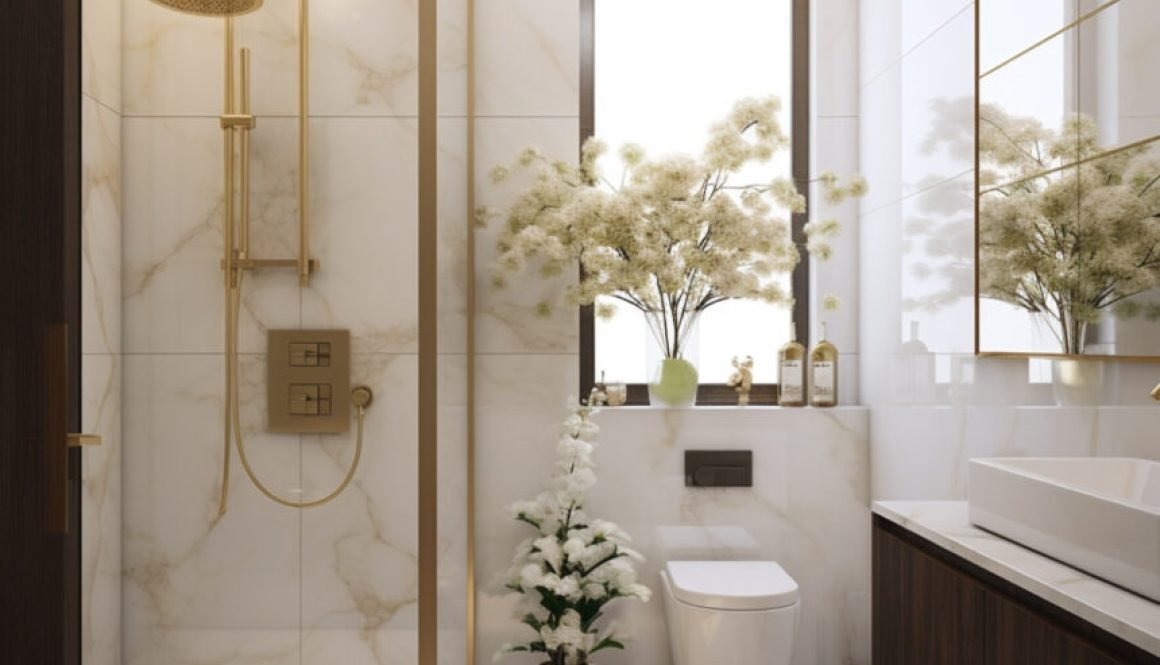
During bathroom remodels and home accessibility upgrades, we at Texas Senior Safety often recommend materials and designs that support better air quality. Non-slip flooring that resists mold, improved ventilation systems, and easy-to-clean surfaces all contribute to a healthier indoor environment for seniors.
Long-Term Health Benefits
Cleaner air leads to fewer respiratory infections, better sleep, and improved comfort for seniors, especially those with chronic conditions. Families often notice reduced allergy symptoms and less frequent doctor visits after making these changes.
Take Action for Healthier Air and Safer Homes
Improving indoor air quality is an important part of creating a safe, comfortable home for seniors. By combining these steps with our bathroom remodel and grab bar installation services, families in Dallas, Fort Worth, Austin, San Antonio, and Houston can give their loved ones the gift of health, safety, and peace of mind.
Visit txseniorsafety.com to learn more about our senior safety solutions and how we can help you create a healthier home environment.