Senior Safety: Adapting the Bedroom for Better Sleep
A Safer Bedroom Isn’t Just About Comfort—It’s About Confidence and Restorative Sleep
When most people think about senior safety, they picture the bathroom or stairs. But in my years of working directly with older adults across Dallas, Fort Worth, Austin, San Antonio, and Houston, I’ve seen the bedroom become one of the most overlooked—and underestimated—spaces in the home.
As a licensed RN and contractor specializing in accessibility, I’ve walked into countless bedrooms that were beautifully decorated but dangerously impractical. And for seniors, that’s a big deal. A poorly adapted bedroom can lead to restless nights, avoidable falls, and reduced independence. But when done right, this room becomes a place of comfort, safety, and healing.
The Problem: Rest Isn’t Restful if It Isn’t Safe
The bedroom should be a haven. But for seniors, it often becomes a source of stress—especially when getting in and out of bed becomes a challenge or when furniture isn’t laid out for easy mobility.
I’ve seen clients trip over throw rugs, strain to reach lamps, or struggle with beds that are either too low or too high. Others wake in the night and fumble in the dark, increasing the risk of injury. These issues are even more common after hospitalization or during recovery, when strength and balance are already compromised.
Good sleep is essential for healing, memory, and mood—but without senior safety modifications, rest can become elusive and even risky.
The Opportunity: A Safe Bedroom Means Better Sleep and More Independence
When we tailor a bedroom to meet a senior’s needs, the results are immediate. Not only does the individual sleep more peacefully, but they also gain confidence in their ability to move independently at night or first thing in the morning.
Key features like adjustable-height beds, wide clear walking paths, and strategically placed grab bars near the bedside can make all the difference. Nightlights, motion-activated lighting, and easy-access storage all support restful nighttime routines.
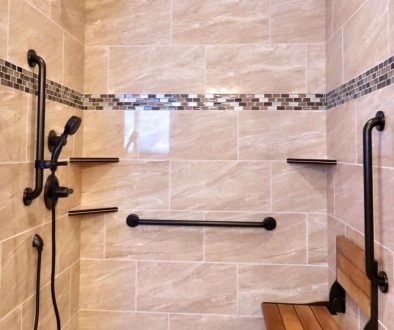
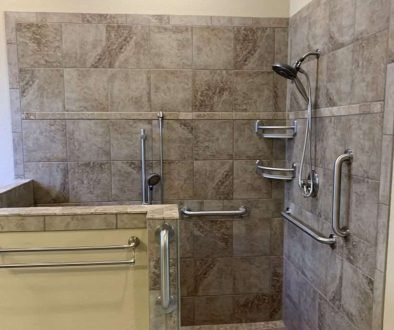
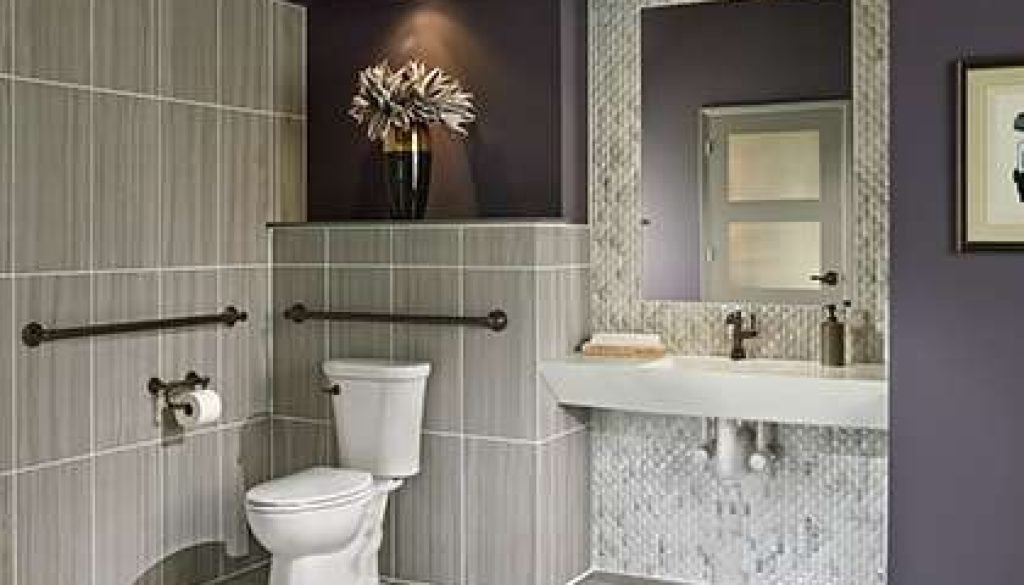
And when paired with bathroom access modifications—like walk-in showers, secure grab bars, and complete bathroom remodels—the entire nightly experience becomes safer, smoother, and more dignified.
The Solution: Practical Upgrades That Promote Sleep and Safety
At Texas Senior Safety, we specialize in blending clinical insight with functional home design. That includes making bedrooms easier to navigate, more supportive for nighttime routines, and less stressful for both seniors and caregivers.
We often recommend bed assist rails or transfer poles for clients who need help transitioning in and out of bed. These support tools reduce the chance of nighttime falls and eliminate the need for a caregiver to assist each time. For those with mobility devices, we ensure the room layout accommodates wheelchairs or walkers, removing barriers that can disrupt both sleep and safety.
Lighting is another essential factor. Seniors in Houston or Austin who live alone often benefit from motion-sensor lamps or illuminated path lights to guide them to the restroom safely at night.
In some cases, we even build in subtle home adjustments—like widened doorways or lever-style handles—to improve access and comfort long-term, especially for clients recovering from surgeries or managing chronic conditions.
The Takeaway: Better Sleep Begins With a Safer Space
Adapting a bedroom for safety isn’t just about preventing falls—it’s about restoring peace of mind. It’s about creating a space where seniors feel calm, comfortable, and confident navigating their routine without worry.
If you or a loved one lives in Dallas, Fort Worth, Austin, San Antonio, or Houston, and sleep is disrupted by fear of falling, difficult furniture, or poor lighting, it’s time for a change.
At Texas Senior Safety, we combine medical insight with remodeling expertise to transform bedrooms into restorative spaces that promote senior safety, comfort, and independence.
Visit txseniorsafety.com to request a safety consultation or connect with us on Facebook, X, or LinkedIn.
Rest shouldn’t come with risk. Let’s make sure your bedroom supports your health as much as your home does.