
Disaster Preparedness for Seniors: A Comprehensive Safety Guide
When natural disasters strike—whether it’s hurricanes, floods, wildfires, or winter storms—seniors face unique challenges that can put their safety and independence at risk. Limited mobility, chronic health conditions, and the need for medical equipment or medications mean that being unprepared can have serious consequences. As a Licensed Registered Nurse and owner of Texas Senior Safety, I’ve seen firsthand how vital it is for older adults and their families in Dallas, Fort Worth, Austin, San Antonio, and Houston to have a solid disaster preparedness plan in place.
Understanding the Risks
Seniors often require extra time and support to evacuate or shelter in place safely. Power outages can disrupt oxygen machines or refrigeration for medications, while flooded streets or blocked exits can make it difficult to reach emergency services. Knowing the specific risks in your area and how they affect seniors is the first step toward creating a plan that protects health and safety.
Building an Emergency Kit
Every senior household should have a ready-to-go emergency kit. Essential items include:
- A two-week supply of prescription medications and copies of medical records
- Non-perishable food and bottled water
- Flashlights, extra batteries, and a battery-powered phone charger
- First aid supplies and personal hygiene items
- Backup medical equipment if needed, such as oxygen tanks or hearing aid batteries
Storing this kit in an easy-to-reach location ensures quick access when disaster warnings arrive.
Creating a Communication Plan
During an emergency, staying connected with family, caregivers, and local authorities is crucial. Seniors should keep a written list of emergency contacts in addition to saving numbers on their phones. Establishing a designated out-of-town family member as a point of contact can help relay information if local phone lines go down.
Evacuation and Shelter Planning
For seniors with mobility issues, pre-arranging transportation options is essential. Local emergency management agencies often maintain registries for residents who may need assistance evacuating. Families should also identify nearby shelters equipped to handle medical needs or pet accommodations if applicable.
Home Safety Preparations
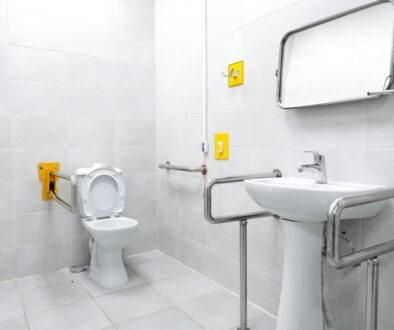
Simple home modifications can make sheltering in place safer. Installing grab bars, non-slip flooring, and ensuring pathways are clear reduces the risk of falls during power outages or emergencies when visibility is low. At Texas Senior Safety, we frequently incorporate these features into our bathroom remodels and home accessibility projects to protect seniors year-round.
Practicing the Plan
An emergency plan only works if everyone knows what to do. Conducting practice drills ensures seniors and caregivers feel confident responding quickly and calmly when a real disaster occurs. Reviewing the plan every six months keeps it up to date as medical needs or living arrangements change.
Peace of Mind Through Preparedness
Disaster preparedness isn’t about fear—it’s about empowerment. By planning ahead, seniors can maintain independence, protect their health, and reduce anxiety when severe weather or emergencies strike.
At Texas Senior Safety, we help families in Dallas, Fort Worth, Austin, San Antonio, and Houston combine home safety modifications with practical emergency planning. Visit txseniorsafety.com to learn how our services can create safer, more resilient living environments for your loved ones.