Aging in Place Checklist: 10 Home Modifications Every Senior Needs
After years of helping Texas families prepare their homes for aging in place, I have developed a comprehensive understanding of what modifications make the biggest difference. At Texas Senior Safety, our mission is to help seniors maintain their independence while staying safe in the homes they love. This checklist represents the most impactful modifications I recommend based on real-world experience.
Why Planning Ahead Matters
The best time to make home modifications is before they become urgently necessary. I have seen too many families scrambling to make changes after a fall or health event, when emotions are high and decisions must be made quickly. By planning ahead and making modifications gradually, you can spread out the cost, make thoughtful decisions, and ensure everything is done properly.
Aging in place is not just about safety, although that is certainly the priority. It is also about maintaining dignity, independence, and quality of life. The modifications on this checklist address all of these concerns, creating a home environment that supports seniors in living their best lives.
1. Install Grab Bars in Every Bathroom
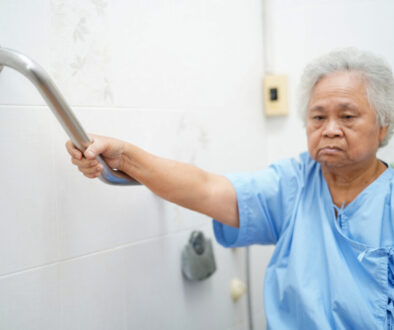
This is always my first recommendation because bathrooms present the highest risk for falls. Wet surfaces, hard fixtures, and the physical demands of bathing create dangerous conditions. Professional grab bar installation provides secure handholds exactly where they are needed most.
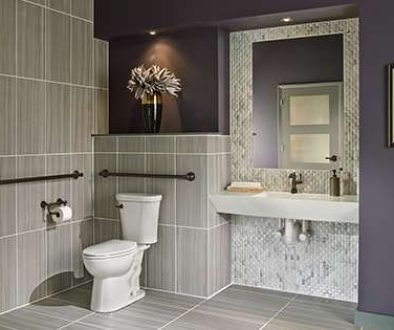
At minimum, I recommend grab bars next to the toilet and inside the shower or tub area. Ideally, you should also have a bar at the bathroom entrance and near the sink. The investment is modest compared to the protection these bars provide. We install stainless steel grab bars that are both durable and attractive, complementing your bathroom decor while providing essential safety support.
2. Consider a Walk-In Shower Conversion
Traditional bathtubs require stepping over a high edge, which becomes increasingly difficult and dangerous as we age. A tub-to-shower conversion eliminates this barrier, creating a step-in or even zero-threshold entry that dramatically reduces fall risk.
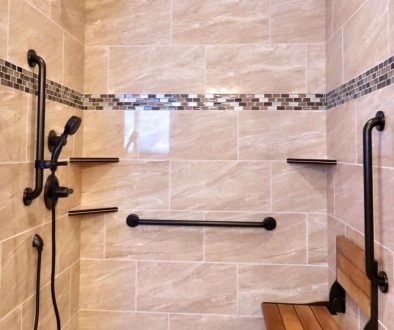
Modern walk-in showers can be designed with built-in benches, handheld showerheads, and strategically placed grab bars. These features allow seniors to bathe safely and independently, maintaining their dignity and privacy. Many of our clients tell us this single modification has made the biggest difference in their daily lives.
3. Improve Lighting Throughout the Home
Vision changes are a natural part of aging, and inadequate lighting contributes to many falls. I recommend increasing light levels throughout the home, particularly in hallways, staircases, bathrooms, and the kitchen. Nightlights in bedrooms and bathrooms help with nighttime navigation.
Motion-activated lights are especially helpful because they illuminate automatically when someone enters a room or hallway. This eliminates the need to fumble for switches in the dark. We also recommend ensuring that light switches are accessible at both ends of hallways and at the top and bottom of stairs.
4. Remove Tripping Hazards
Many falls happen because of hazards that could easily be eliminated. Walk through your home with a critical eye, looking for loose rugs, electrical cords crossing walkways, cluttered floors, and uneven transitions between flooring surfaces.
Secure area rugs with non-slip backing or remove them entirely. Reroute electrical cords along walls rather than across walking paths. Keep frequently used items within easy reach so there is no need to climb or stretch. These simple changes cost little or nothing but significantly reduce fall risk.
5. Install Handrails on All Stairs
Every staircase in the home should have sturdy handrails on both sides. Many older homes have a handrail on only one side, or the existing rails may be loose or poorly designed. Proper handrails extend the full length of the stairs and are securely anchored to support significant weight.
The handrail should be at a comfortable height, typically between 34 and 38 inches above the stair nosing. It should be easy to grip, meaning round or oval in shape and between 1.25 and 2 inches in diameter. If your stairs have open sides, consider adding a second rail for additional security.
6. Create a Main-Floor Living Option
While this may not be immediately necessary, having the option to live primarily on one floor becomes valuable as mobility decreases. If possible, ensure there is a bedroom, full bathroom, kitchen, and living area all on the same level.
For two-story homes where this is not currently possible, consider converting a main-floor room into a bedroom if needed in the future. Also consider whether the main-floor bathroom could accommodate a bathroom remodeling project to make it fully accessible with a walk-in shower and grab bars.
7. Make Kitchen Modifications
The kitchen sees heavy daily use and presents several safety challenges. Consider installing lever-style faucet handles that are easier to operate than traditional knobs. Ensure frequently used items are stored at accessible heights, between waist and shoulder level.
Pull-out shelves in lower cabinets eliminate the need to bend and reach into deep spaces. Good task lighting over work areas helps with food preparation. If possible, create a seated work area where meal prep can be done while sitting down. A microwave at counter height rather than above the stove is safer and more accessible.
8. Address Entryway Safety
Getting in and out of the home safely is essential for maintaining independence. Exterior doors should have adequate lighting, secure handrails if there are steps, and lever-style door handles. The threshold should be as low as possible to prevent tripping.
If there are steps at the entrance, consider whether a ramp might be needed in the future. Even if a ramp is not immediately necessary, knowing that one could be installed provides peace of mind. Ensure the pathway from the driveway or sidewalk to the door is smooth, well-lit, and free of obstacles.
9. Install Comfort-Height Toilets
Standard toilets are quite low, making sitting down and standing up difficult for many seniors. Comfort-height toilets, also called ADA-height toilets, are two to three inches taller than standard models. This seemingly small difference makes a significant impact on ease of use.
If replacing the toilet is not an option, a raised toilet seat can provide similar benefits at lower cost. Combine either solution with properly placed grab bars for maximum safety and ease of use.
10. Consider Smart Home Technology
Modern technology offers numerous tools that support aging in place. Voice-activated assistants can control lights, thermostats, and locks without requiring physical effort. Video doorbells allow you to see who is at the door without getting up. Medical alert systems provide peace of mind for both seniors and their families.
Smart home devices can also help with medication reminders, fall detection, and emergency communication. While technology should not replace physical safety modifications, it can complement them effectively.
Creating Your Personal Aging in Place Plan
Not every home needs all of these modifications immediately. The key is to assess your current situation, anticipate future needs, and prioritize accordingly. Start with the highest-impact, lowest-cost changes and work toward larger projects over time.
At Texas Senior Safety, we offer comprehensive home assessments to help you identify priorities and create a realistic plan. We serve families throughout Texas, including Austin, San Antonio, Houston, and Dallas-Fort Worth.
Take the First Step Today
The journey to a safer home begins with a single step. Whether you start with grab bars, lighting improvements, or a comprehensive assessment, taking action now prevents problems later. Every modification you make is an investment in independence, safety, and peace of mind.
I invite you to contact us for a free consultation. We will walk through your home together, discuss your concerns and goals, and help you create a plan that makes sense for your situation and budget. There is no obligation, and you will gain valuable insights about making your home safer for aging in place.